



ACL offers a variety of virtual events throughout the year to support professional development and foster connection among members. These online opportunities—including interest group and section meetings, corporate prayer gatherings, workshops, and collaborative sessions—provide accessible ways to learn from colleagues, share expertise, and strengthen skills no matter where you are.
One of the newest ways we’re investing in member growth is through the ACL Virtual Workshop Series, a professional development opportunity launched in 2025.
Virtual Events Team
April VanPutten, Coordinator
ACL
Gina Bolger, Program Director
Calvin University
Deborah Millier, Technical Director
Emmanuel University
2025 Virtual Workshop Series
The ACL Virtual Workshop Series brings some of our popular 2025 ACL Annual Conference workshops directly to you—no travel required. Like facets of a finely cut gem, this year’s sessions highlight different dimensions of librarianship—cultivating Christian student scholars, rethinking work-life balance, and building a culture of hospitality through front-line student workers. With participation and completed evaluations, you’ll also have the opportunity to earn Continuing Education Units (CEUs), which can be applied toward professional development requirements and help demonstrate your ongoing growth as a librarian.
Mark your calendar for Wednesdays, October 22, October 29, and November 5 from 1:00–2:30 PM EST. Join colleagues for these livestreamed workshops, each followed by a live Q&A with the presenters. Can’t make it live? Recordings will be provided to all registrants.
Workshop Details
October 22, 2025 | 1:00-2:30 PM ET
Workshop Title: A Biblical Framework for Information Literacy: Dispositions for Christian Student Scholars
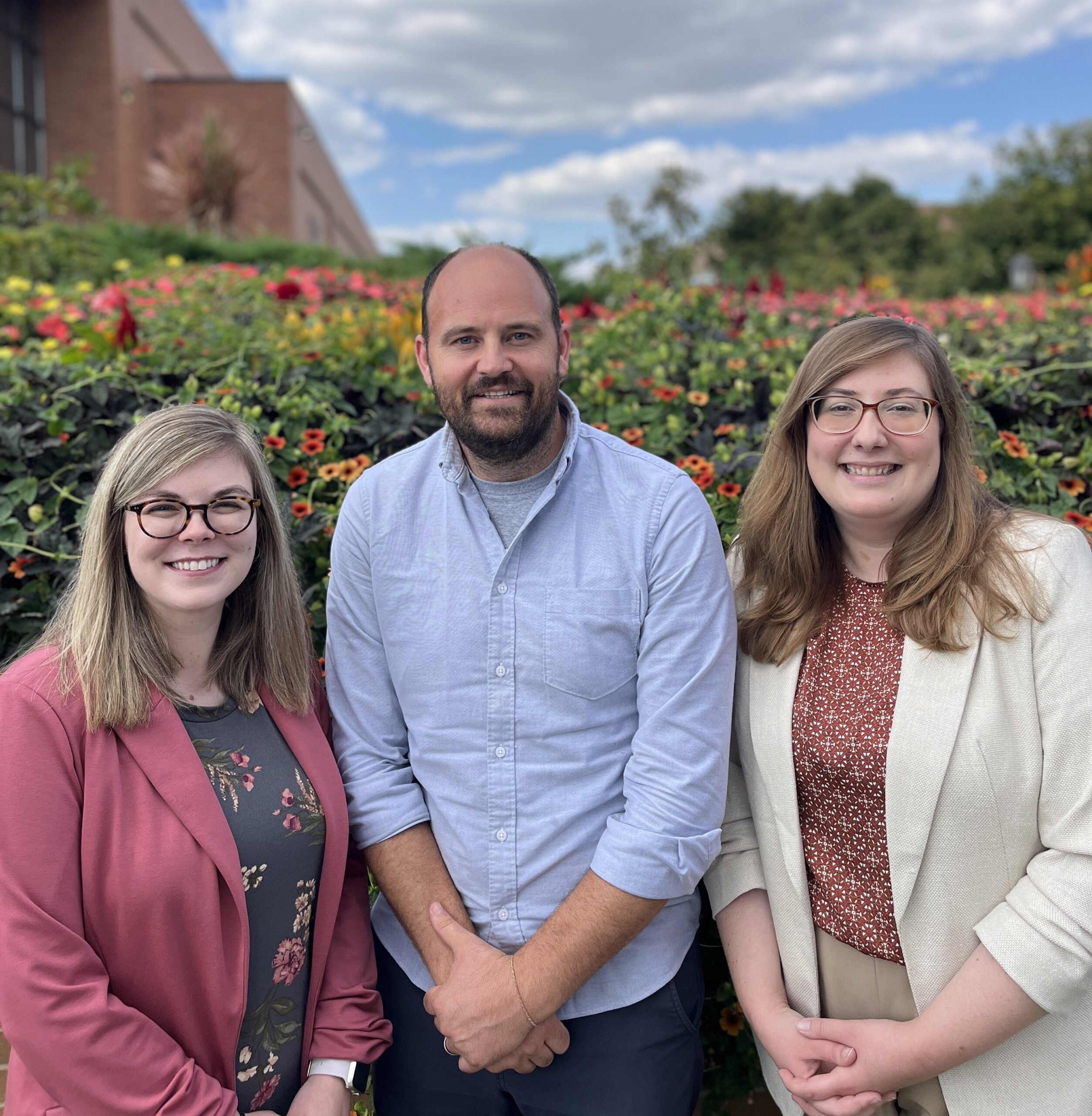
Presenters: Nathanael Davis, Assistant Professor of Library Science | STEM/Business Librarian, Cedarville University; Kirsten Setzkorn, Humanities Librarian | Assistant Professor of Library Science, Cedarville University; Jess Elder, Health Sciences Librarian | Assistant Professor of Library Science, Cedarville University
While the ACRL Framework is a useful document on information literacy, the research librarians of Cedarville University saw a need to address students’ guiding motivations for research and scholarship from a biblical worldview. The Frames inherently lack the distinct scriptural foundations that should characterize Christian student scholars. To address this gap, we developed a biblical framework for information literacy that outlines dispositional mindsets students can cultivate throughout the research process. Unlike raw talents or personality traits, these dispositions are affective and applied attitudes of the mind that permeate the students’ practice of scholarship.
For each of our eight dispositions, we will share a clear definition, scriptural basis, and specific ways in which the student can adopt the disposition as a mindset. We will also share how we integrated this framework into our first year information literacy curriculum and instructional practice, emphasizing the transformative experience for students.
Librarians and teaching faculty can adopt this framework to equip students in the practice of research and scholarship as Christians. Attendees will come away with ideas on how to implement this framework through classroom instruction, research consultations with students, and advocate for its use among faculty. We envision this document will prompt the integration of these biblical dispositions into campus-wide instructional practice. The intention of this framework–in conjunction with the guiding information literacy framework of our profession–is to foster a more holistic development of information literacy in our students.
October 29, 2025 | 1:00-2:30 PM ET
Workshop Title: At Your Service: Creating a Culture of Hospitality Through Front-Line Student Workers
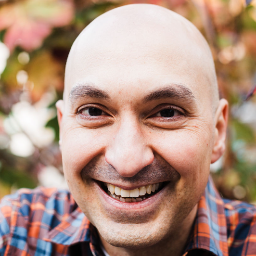
Presenter: Armen Svadjian, Library Director, Redeemer University
Academic libraries have a customer service problem, and front-line student workers can help.
While public libraries have been eager to embrace a customer-first service philosophy, this tends to be a much lower priority for academic libraries. When was the last time you received a warm greeting upon entering an academic library? If you received one, were you startled? Many of us are missing opportunities to make vital, meaningful connections with people who come through our doors, particularly students. We have the collections, spaces, and services to make our libraries vibrant campus community hubs—but imagine a timid first-year student who has yet to make a connection to the school’s library, and is perhaps intimidated or unsure where to begin. Something as simple as a greeting upon entry, especially from a peer, can pave the way for future visits and increase the likelihood of engaging with staff when they need help.
In my presentation, I’ll share best practices in customer service from my experience in both public and academic libraries. I plan to make the case for turning student workers into customer service ambassadors, and lay out a framework for how to do this. Underpinning my entire presentation is the belief that it is a library’s privilege to foster a culture of hospitality and welcome, and student workers are a key resource to this end.
November 5, 2025 | 1:00-2:30 PM ET
Workshop Title: Work-Life-Faith Balance?: A Critique of the Work-Life Balance
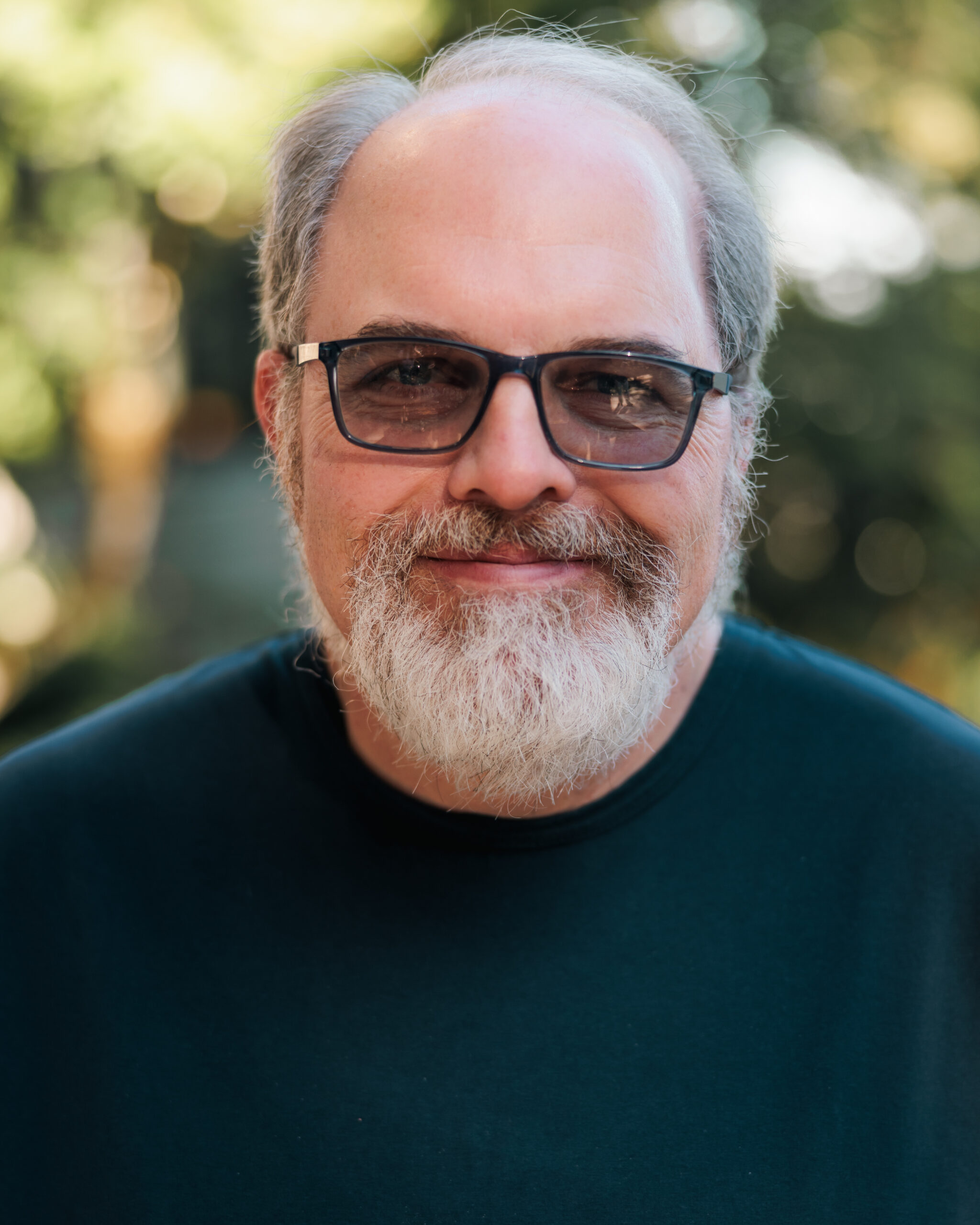
Presenter: Dr. Garrett Trott, University Librarian, Corban University
What exactly is a “faith-family” balance? The term not only sounds odd, but it raises many questions. Why do we readily accept the poor nomenclature of a “work-life” balance when questions arise when aiming to find “balance” in other arenas? What exactly are we aiming for with “balance”? While “work-life balance” is familiar in 21st-century dialog, a lack of clarity remains. Despite this, “work-life balance” has penetrated 21st-century culture. It has become standard when discussing professional pursuits and the rest of life. For many, attaining a “work-life balance” is the pot of gold at the end of the rainbow. Many are familiar with the idea that a pot of gold lies where the rainbow touches the ground when one sees a rainbow. If one can get there, one can attain that pot of gold. We are also aware that a venture of this nature is impossible. Is a “work-life balance” like trying to find the gold at the end of the rainbow?
This presentation provides a theological critique of the “work-life balance” ideology, arguing that the idea is severely lacking (like many ideas based on secular ideologies). It will briefly develop two points. First, it will say that the work-life balance ideology devalues work, forcing it into a menial task. This is contrary to understanding one’s professional endeavors through the theology of work, which emphasizes the God-honoring nature of work and employment. Secondly, this presentation will argue that a “sabbath” is the proper response to what is often strived for when seeking a “work-life balance.” However, there are many challenges to the idea of a “sabbath” in the 21st century. It often brings more questions than answers, such as, “Am I breaking the sabbath if I do house chores on the sabbath?” to “What day is the sabbath?” This presentation will build a biblical understanding of the sabbath and show how the concept can be applied in the 21st century. This presentation will show healthy distinctions between practicing the sabbath and striving for a work-life balance, arguing that practicing the sabbath is
possible while aiming for a “work-life balance” reeks of ambiguity and devalues humanity and the task God set before them. This section will provide a working definition of the sabbath that one can apply to one’s scenario.
This presentation will provide both a critique of and a response to the “work-life balance” ideology. In its response, it will look at how one could apply a biblical concept of the sabbath to their professional endeavors of librarianship. The literature discussing the work-life balance often assumes that once an individual reaches that haven where work and life are perfectly “balanced,” everything will be perfect. This presentation will argue that a biblical worldview provides an alternative answer: a sabbath, and it will provide ways to practice the sabbath in their professional endeavors.
Pricing & Registration
| Registration Type | ACL Member | Non-Member |
|---|---|---|
| Standard Individual | $85 | $125 |
| Student / Retiree / Unemployed | $60 | $100 |
| Group Rate (3+ participants) | $300* | Not Available |
*Each group must include at least one ACL member. Registration is handled through the member’s My Account area, and while non-members from the same library may participate in the group, the ACL member must be the one to complete the registration.
2025 ACL Conference Attendees: Receive $20 off individual registration with the code provided by email.
Registration closes Monday, October 20, 2025.
Registration Includes:
-
Live participation links for all three workshops
-
Workshop recordings after the event
-
Opportunity to receive CEUs with completed evaluations